Wii U: The best console to ever fail
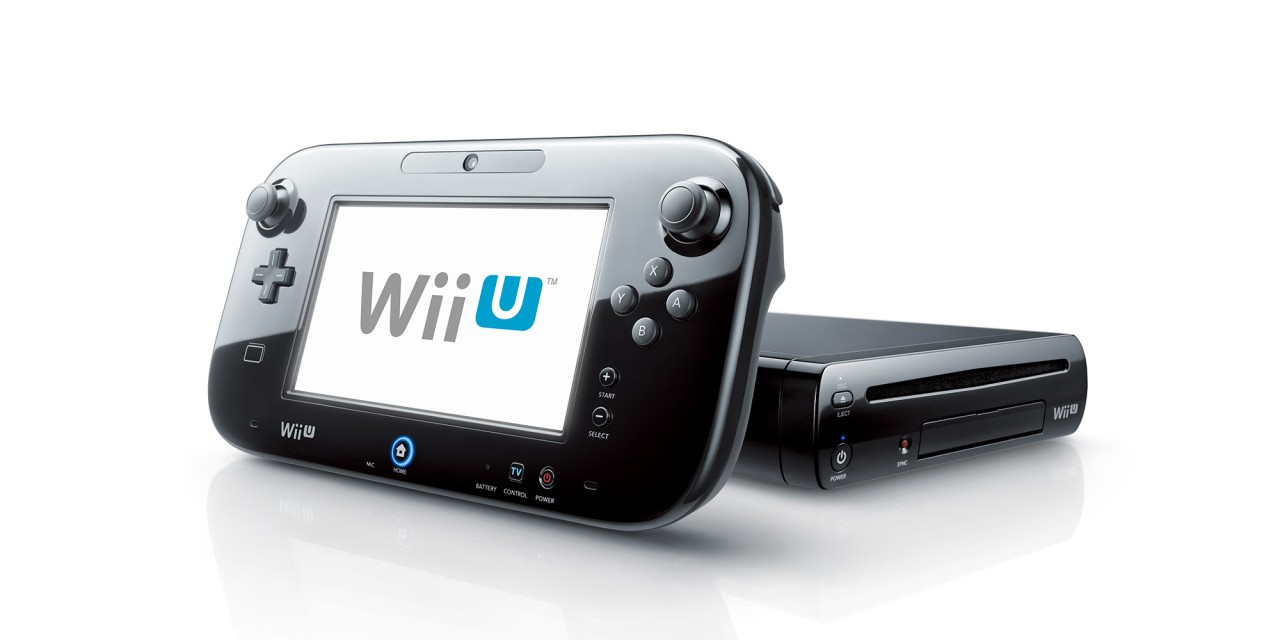
The year was 2012. At that point, the extremely popular Wii was six years old. Nintendo would announce the Wii U. The feature that made the Wii stand out from the Xbox 360 and PS3 was the Wii’s revolutionary motion control (which Sony and Microsoft both tried to copy and failed). The revolutionary feature of its successor? A touchscreen. The idea behind the Gamepad was actually genius. Japanese houses tend to only have one TV. So, if little Ken wants to play Super Mario Bros. but his dad wants to watch The Office, so the theory is that Ken could just take the gamepad and play Super Mario Bros. in his room.
The Wii U’s Problems
In practice, Off-TV Play was only compatible with certain games. Unlike with motion controls, Nintendo was not first in this regard. The PS3 had Remote Play to the PSP and Vita and Microsoft announced SmartGlass for the Xbox 360 the same year that the Wii U was released. That was the first problem.
This leads to the second problem the Wii U had. You were only able to get a limited distance from your console with the Gamepad (approx. 10 m or 30 ft) before it would cut out. You did have more luck in rural areas (approx. 40 m or 120 ft) but it was still not very far.
But the Wii U was by far not Nintendo’s first failure.
The Failure of the N64, Gamecube, and Virtual Boy

There were a variety of reasons why the Gamecube and N64 failed but one of them was that the systems used game formats that weren’t really standard. The N64 still used cartridges and the Gamecube used mini discs. The Gamecube and Dreamcast, unlike the PS2 and Xbox, did not support DVD playback. The Dreamcast failed which marked the end of Sega’s time in the hardware market. The Gamecube also failed but not as spectacularly as the Dreamcast. The Virtual Boy was another failure from Nintendo. That console primarily failed because VR hadn’t matured at the time. Nintendo decided that they would give the console industry one last go.
The Success of the Wii
The Wii launched in 2006. Nintendo marketed the Wii not towards pro gamers, but rather, towards casual gamers. And it worked! The Wii is the best selling console of the seventh generation. If you don’t have one, you probably know a few people who have a Wii. Sure, the Wii had its problems (shovelware, awful motion controls) but it was still Nintendo’s best selling home console.
The Wii U
After the Wii, Nintendo decided that their strategy of marketing towards casuals and kids was the way to go. So, we head back to the beginning of our story. Which is…
The year was 2012. At that point, the extremely popular Wii was six years old. Nintendo would announce the Wii U. The feature that made the Wii stand out from the Xbox 360 and PS3 was the Wii’s revolutionary motion control (which Sony and Microsoft both tried to copy and failed). The revolutionary feature of its successor? A touchscreen. The idea behind the Gamepad was actually genius. Japanese houses tend to only have one TV. So, if little Ken wants to play Super Mario Bros. but his dad wants to watch The Office, so the theory is that Ken could just take the gamepad and play Super Mario Bros. in his room.
So, what’s so good about the Wii U?
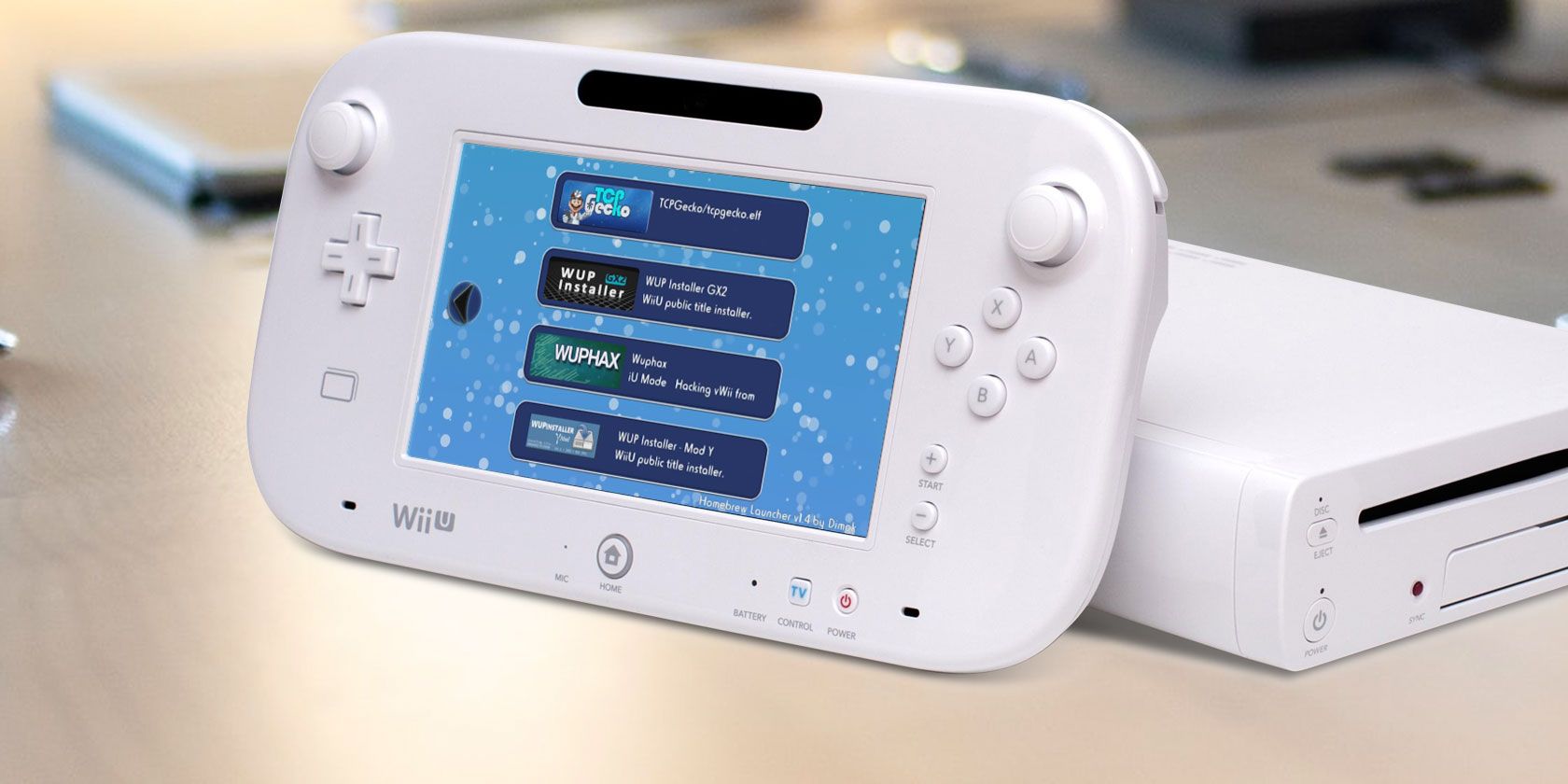
For one, the Wii U is the ultimate homebrew machine and, by extension, an emulation beast. To install homebrew, all you need to do is put some files on an SD card, stick it in the Wii U, visit a website, and press a button. In fact, you only need three consoles to play the entire Nintendo game library. A homebrew Wii U, a homebrew 3DS, and a Switch (homebrew not necessary).
Homebrew is not the only thing the Wii U has going for it. Every Wii U ever sold is backwards compatible with the Wii. This means that any game made for the Wii works with the Wii U. In fact, the Wii U was the only eighth generation video game to have backwards compatibility at launch (the Xbox One has backwards compatibility for a select number of Xbox and Xbox 360 games, although no Simpsons Game, Road Rage, or Hit and Run yet, and the PS4 and Switch do not have any official backwards compatibility).
The tragic death of the Wii U
/cdn.vox-cdn.com/uploads/chorus_image/image/53052845/Screen_Shot_2017_02_02_at_16.06.36.0.png)
In the end, Nintendo knew that trying to leave the Wii U on life support would end badly for them. So, they killed off the Wii U in January 2017 and replaced it with the Switch in March of the same year. The Switch takes the concepts introduced in the Wii U and instead of tethering you to your house, they allowed you to travel anywhere you please and still let you play Breath of the Wild. Sure, many people stuck with the Wii U for Breath of the Wild when the Switch was first released because, at the time, Breath of the Wild was the only game made for the Switch. Now, these people play Breath of the Wild on the Switch (except for the cheapskate who doesn’t want to buy the same game twice). In 2022, Nintendo also announced that they will shut down the Wii U and 3DS eShops in 2023. So, RIP Wii U 2012-2022. But, hey! At least, the Wii U joysticks don’t drift.